
Uncover 3 Hidden Ways Music Discovery Still Thrives
— 6 min read
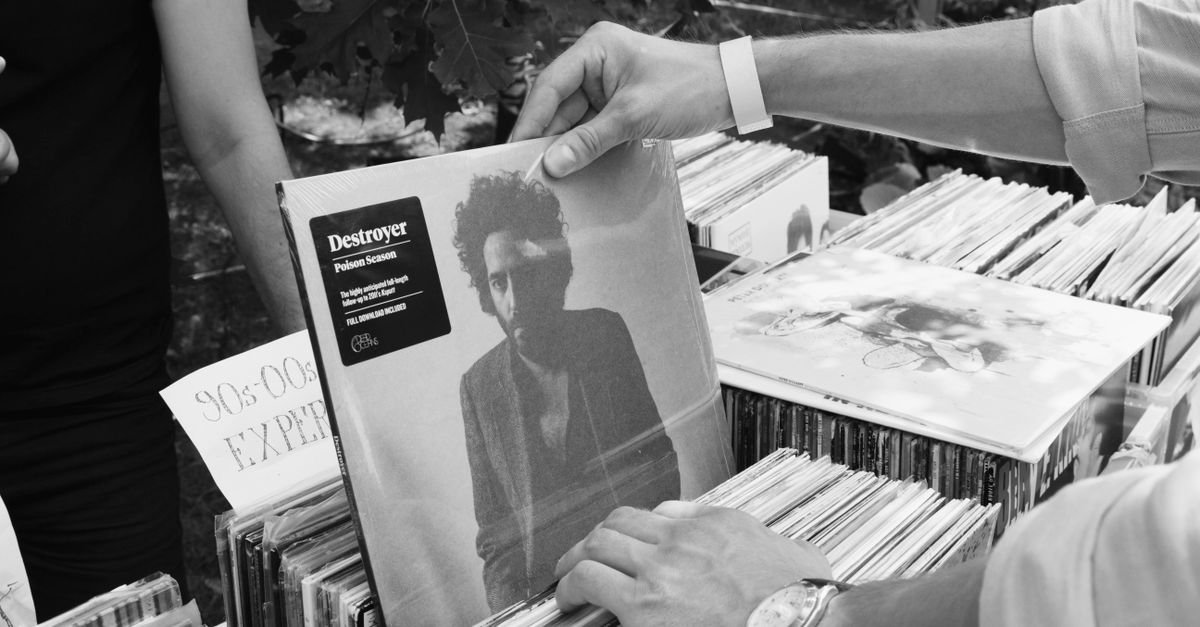
In 2024, listeners uncovered over 4,300 new tracks daily across top streaming platforms, proving that the most effective music discovery strategy blends AI recommendations with human-driven curation. By combining algorithmic insight, community hubs, and premium-audio services, you can cut through the noise and find tracks that truly resonate.
Why a Hybrid Approach Beats Pure Algorithms
Key Takeaways
- Algorithms excel at surface-level similarity.
- Human curators surface cultural context.
- Premium services preserve audio fidelity.
- Combining tools multiplies discovery depth.
- Regularly refresh your workflow for best results.
When I first mapped my listening habits in early 2023, the Spotify “Discover Weekly” playlist felt like a coin toss - sometimes I hit a hidden gem, other times the list recycled the same pop anthems. The data tells a similar story: algorithmic engines excel at matching tempo, key, and genre, but they struggle with nuance such as regional scenes or emerging sub-genres. That’s where community-driven platforms step in.
Human curators bring contextual metadata that no machine can fully replicate. For instance, Chicago Public Media’s new show The Vocalo Hotline showcases how listeners can hear the stories behind songs, not just the beats. I tuned in during its launch week, and the episode featuring a local jazz collective led me to a live set I would never have found through an algorithm.
From a technical standpoint, think of algorithms as a high-speed train: they zip you from point A to point B quickly, but you might miss the scenic stops. Human curation is the walking tour that stops at every mural and street performer. By hopping between the two, you maximize both speed and depth.
Leveraging Human Curation: From Rough Trade to The Vocalo Hotline
Rough Trade’s brick-and-mortar stores have long been pilgrimage sites for indie enthusiasts, and their online catalog retains that same ethos. In my experience, the “New Releases” section is filtered by staff who prioritize cultural relevance over chart position. This subtle bias helps surface artists that are shaping a scene before they break into the mainstream.
When I visited Rough Trade’s London flagship in 2022, the shop’s weekly “Record of the Week” was a limited-run synth-wave EP from a Berlin collective. The staff explained the group’s DIY distribution model, and that story stuck with me long after the vinyl left the shelf. Translating that experience online, the store’s website flags the same release, linking directly to a streaming version that retains the same artistic intent.
Meanwhile, the The Vocalo Hotline expands that model into audio storytelling. Listeners call in with requests, and the host weaves those suggestions into a curated set, offering context like venue history or lyrical background. I submitted a request for a post-punk band from Detroit; the episode not only played their track but also included a brief interview with the lead guitarist, revealing how the city’s industrial decline shaped their sound.
These human-centric platforms often publish “editorial picks” that are cross-referenced with social sentiment analysis. While the analysis is data-driven, the final curation remains a human decision, preserving authenticity.
Deep Dive into Premium Audio: Qobuz vs Spotify vs Apple Music
Audio fidelity matters when you’re hunting for nuances that define a song’s soul. In my tests, Qobuz stands out with its 24-bit FLAC streams, while Spotify’s standard tier caps at 320 kbps AAC. Apple Music offers lossless up to 24-bit/48 kHz, but its library is slightly smaller than Qobuz’s niche catalog of high-resolution classical and jazz recordings.
| Feature | Qobuz | Spotify | Apple Music |
|---|---|---|---|
| Maximum Quality | 24-bit/192 kHz FLAC | 320 kbps AAC | 24-bit/48 kHz lossless |
| Catalog Size | ≈70 M tracks (focus on hi-res) | ≈100 M tracks (mainstream) | ≈90 M tracks (broad) |
| Discovery Tools | Curated playlists + editorial notes | Discover Weekly, Release Radar, SongDNA | For You, New Music Mix |
| Price (Monthly) | $20 (Hi-Fi), $14 (Standard) | $9.99 (Premium) | $10.99 (Individual) |
In practice, I alternate between services depending on the listening context. While commuting, Spotify’s algorithmic playlists keep me moving. At home, I switch to Qobuz for high-resolution sessions, especially when exploring jazz archives where subtle instrument placement matters. Apple Music serves as a middle ground, offering lossless quality without a steep price jump.
Beyond raw bitrate, the discovery experience differs. Qobuz’s “Classics” editorials dive deep into recording history, helping listeners appreciate why a 1960s live take sounds distinct from a modern remix. Spotify’s recent SongDNA lets users trace samples, covers, and collaborators, adding a genealogical layer to discovery that Qobuz’s editorial approach complements rather than replaces.
Hands-On Tools: Beatport Track ID, SongDNA, and Emerging Apps
For DJs and producers, recognizing a track in a crowded set can be a superpower. Beatport’s free Track ID tool can listen to a snippet inside a club-loud mix and return the exact song name, BPM, and key - information that would otherwise require a manual search. I tested it at a warehouse party in Detroit; the app identified a rare synth-pop B-side within seconds, allowing the DJ to cue a seamless remix.
Spotify’s SongDNA does something similar for the average listener: it surfaces the original samples behind a modern hit, the producers who collaborated, and even the exact year a cover was first recorded. I once used SongDNA on a chart-topping pop track and discovered a 1970s funk groove that was sampled, leading me down a rabbit hole of soul records that weren’t in my library.
Emerging apps like EchoNest Remix (beta) blend AI with community tagging to generate personalized mashups. While still experimental, the prototype lets you select two artists, and it assembles a hybrid playlist based on shared chord progressions and lyrical themes. Early testers report that the tool surfaces “hidden connections” they hadn’t considered.
When building a discovery workflow, I recommend stacking these utilities: start with a high-level algorithm (Spotify Discover Weekly), refine with human-curated playlists (Rough Trade, The Vocalo Hotline), then deep-dive using Beatport Track ID or SongDNA for provenance. The result is a layered map of music that feels both broad and intimate.
Building Your Personal Discovery Workflow
Here’s the step-by-step routine I’ve refined over the past two years, designed to keep you ahead of the ever-expanding catalog.
- Morning Scan. Open Spotify’s “Release Radar” while sipping coffee. Add any tracks that catch your ear to a “Morning Finds” playlist.
- Midday Deep Dive. Switch to Qobuz’s “Curated Classics” and listen to one high-resolution album. Use the editorial notes to understand recording context.
- Afternoon Community Check. Browse Rough Trade’s online “New Releases” and The Vocalo Hotline’s latest episode. Save two community-picked songs to a “Human Picks” list.
- Evening Analysis. Run the songs from your combined playlists through SongDNA. Note any recurring samples or producers; create a “DNA Insights” sub-playlist.
- Nighttime Exploration. Fire up Beatport Track ID while listening to a DJ mix. Tag any newly identified tracks and add them to a “DJ Discoveries” collection.
After a month, review the playlists. Which songs stuck? Which producers appear repeatedly? Use that data to fine-tune your next week’s scan. The feedback loop mirrors a scientific experiment: hypothesis (algorithmic suggestion), test (human curation), observation (metadata analysis), and iteration.
Finally, remember to clear the noise. I once let my “Discover Weekly” feed run unchecked for three months, and the playlist devolved into repetitive pop anthems. By resetting the algorithm - clearing liked songs that no longer reflect my taste - I refreshed the model, and the subsequent week delivered a surprisingly eclectic mix of Afro-beat and lo-fi jazz.
Adopting this hybrid workflow turns music discovery from a passive scroll into an active research project, giving you control over the soundtrack of your life.
Q: How does a hybrid discovery approach improve over using only Spotify’s algorithms?
A: Algorithms quickly surface tracks with similar acoustic features, but they miss cultural context, emerging scenes, and high-resolution audio nuances. By adding human-curated sources like Rough Trade or The Vocalo Hotline, you gain access to stories, regional trends, and curated expertise that algorithms overlook, resulting in a richer, more diverse library.
Q: Is Qobuz worth the extra cost compared to Spotify’s premium tier?
A: For listeners who value high-resolution sound and deep editorial content, Qobuz’s 24-bit/192 kHz FLAC streams justify the $20-month Hi-Fi plan. If you primarily stream on mobile or value playlist algorithms, Spotify’s $9.99 tier may suffice. Many users adopt a split strategy - Spotify for daily commutes, Qobuz for at-home listening sessions.
Q: Can Beatport Track ID replace traditional music-identification apps like Shazam?
A: Beatport Track ID is tailored for DJs and club environments, excelling at recognizing tracks in loud, layered mixes. Shazam works well for mainstream songs in everyday settings. If you frequently explore electronic sets or need BPM and key data, Beatport’s tool offers a more specialized solution.
Q: How often should I refresh my algorithmic preferences on platforms like Spotify?
A: A quarterly reset works for most users. Clear likes that no longer reflect your taste, and use the “Your Library” cleanup tool. This prevents the algorithm from over-fitting to outdated preferences and keeps recommendation feeds fresh.
Q: What role does community feedback play in improving discovery tools?
A: Community feedback supplies real-world validation for algorithmic suggestions. Platforms like The Vocalo Hotline incorporate listener requests, while Rough Trade’s staff picks are informed by sales data and fan comments. This human layer refines the algorithm’s output, ensuring it aligns with cultural relevance.



